Province Guide 2024

Which Province
Should You Choose?

10 provinces, 10 different immigration realities. We break down PNP streams, job markets, and cost of living so you can move forward with clarity — not guesswork.

Find My Province Compare All Provinces

Find your best-fit province in 30 seconds

Answer 3 questions — we'll tell you which provinces match your profile and why.

Your Best Matches

Pick Your Province

Ontario immigration guide Competitive
Ontario
Canada's economic engine — highest earning potential
$36.48
Avg. hourly wage
14.2M
Population
9 streams
OINP streams
Tech Hub Healthcare Finance
Best for: Skilled professionals in tech, finance, and healthcare. Toronto is Canada's top immigrant destination — but housing costs are among the highest in North America.

British Columbia immigration guide Competitive
British Columbia
Pacific gateway — tech, film, and Asia-Pacific trade
$34.20
Avg. hourly wage
5.3M
Population
6 streams
BC PNP streams
Tech Film & Media International Trade
Best for: Tech workers, entrepreneurs, and Asia-Pacific professionals. Vancouver's quality of life is world-renowned — but expect the second-highest housing costs in Canada.

Alberta immigration guide Moderate
Alberta
No provincial tax — highest take-home pay in Canada
$38.12
Avg. hourly wage
4.6M
Population
0%
Provincial tax
Energy & Oil Engineering Trades
Best for: Engineers, trades workers, and energy professionals. Calgary and Edmonton offer the best combination of wages and affordability in Canada's major cities.
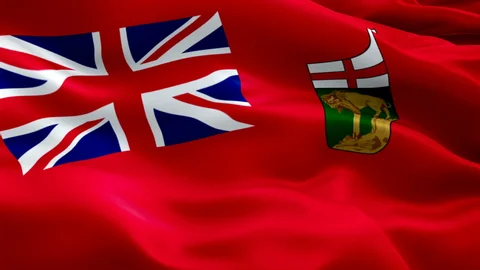
Manitoba immigration guide Easier Entry
Manitoba
One of Canada's most welcoming PNP programs
$29.85
Avg. hourly wage
1.4M
Population
Fast
MPNP processing
Healthcare Manufacturing Education
Best for: Semi-skilled workers, healthcare professionals, and immigrants with Canadian connections. Winnipeg's low cost of living makes savings go further.
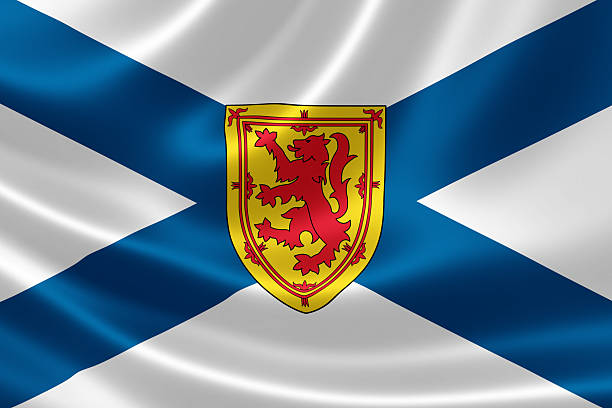
Nova Scotia immigration guide Easier Entry
Nova Scotia
Atlantic Canada — lower thresholds, tight-knit communities
$27.40
Avg. hourly wage
1.1M
Population
AIPP
Atlantic Pilot
Healthcare Seafood / Ocean Education
Best for: Workers in healthcare, hospitality, and skilled trades. Halifax is a growing tech hub. The Atlantic Immigration Program (AIPP) offers a faster, employer-driven path.
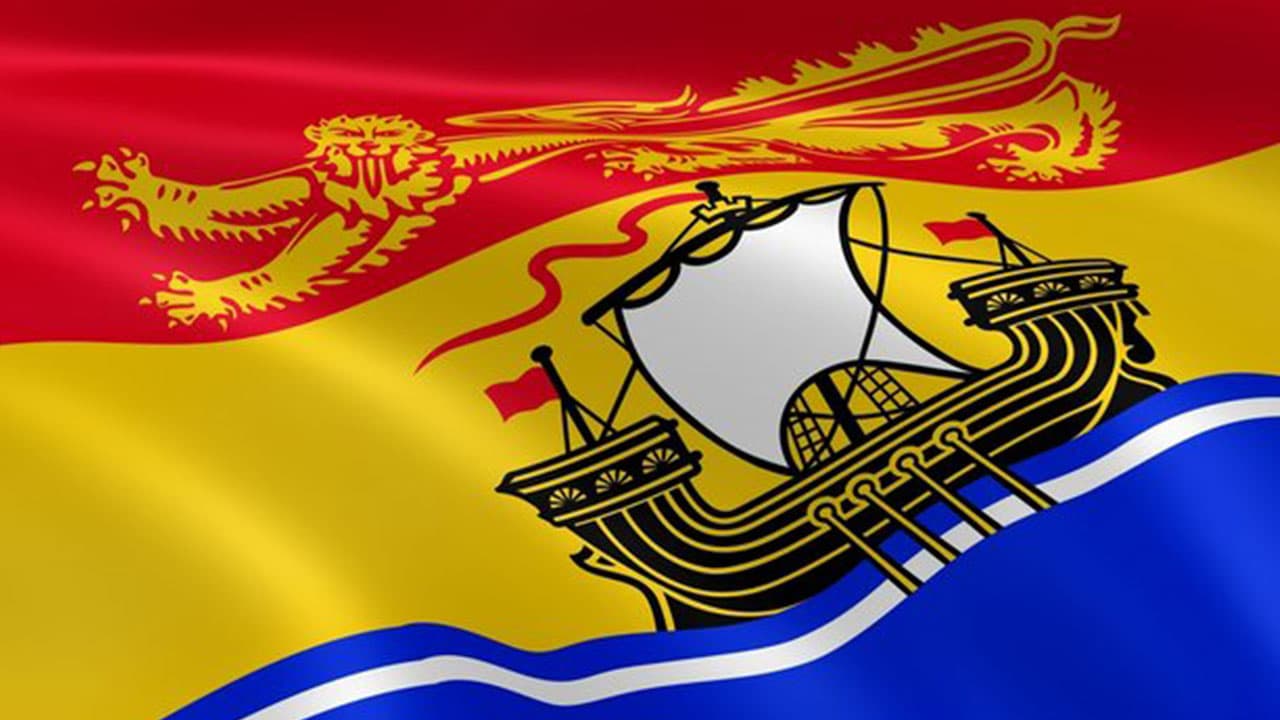
New Brunswick immigration guide Easier Entry
New Brunswick
Canada's only officially bilingual province
$26.30
Avg. hourly wage
830K
Population
Bilingual
EN / FR
Bilingual Healthcare Agriculture
Best for: French speakers, semi-skilled workers, and families looking for low cost of living. AIPP employer-driven stream means faster processing than federal Express Entry.

Quebec immigration guide French Required
Quebec
Independent immigration system — French is essential
$31.50
Avg. hourly wage
8.8M
Population
PEQ / QSWP
Main streams
French Language AI / Tech (Mtl) Healthcare
Best for: French speakers and bilingual workers. Quebec controls its own immigration — the QSWP and PEQ (graduates) are the main routes. Strong French is non-negotiable for long-term success.

Saskatchewan immigration guide Easier Entry
Saskatchewan
One of the fastest PNP programs in Canada
$30.10
Avg. hourly wage
1.2M
Population
Fast
SINP processing
Agriculture Trades Healthcare
Best for: Trades workers, agricultural workers, and healthcare professionals. SINP's International Skilled Worker stream draws from the Express Entry pool with lower CRS requirements.
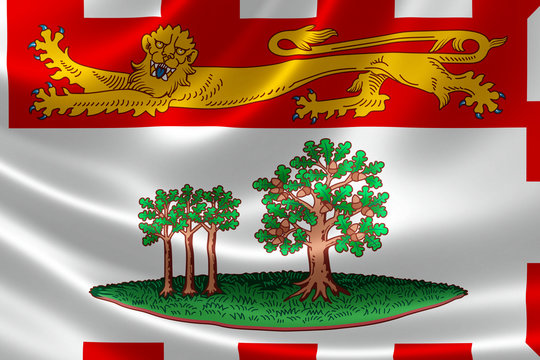
Prince Edward Island immigration guide Easier Entry
Prince Edward Island
Canada's smallest province, outsized opportunity
$24.90
Avg. hourly wage
177K
Population
Low
Cost of living
Agriculture Tourism Seafood
Best for: International graduates from UPEI, workers with a PEI job offer, and entrepreneurs. The PEI PNP Business Impact stream has low investment thresholds compared to other provinces.
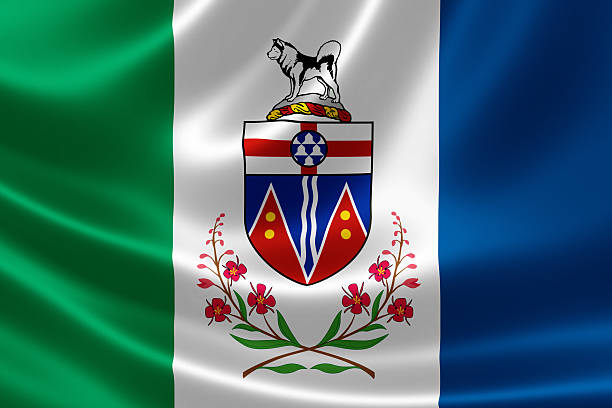
Yukon immigration guide Easier Entry
Yukon
Territory immigration — fastest route for the right profile
$34.50
Avg. hourly wage
45K
Population
YNP
Nominee Program
Mining Tourism Trades
Best for: Skilled workers with a Yukon employer already lined up. The Yukon Nominee Program (YNP) has very fast processing — but living in the territory is a genuine lifestyle commitment.

All Provinces at a Glance

Data reflects 2024 averages. Figures are indicative — consult Yenmek for your specific profile.

Province PNP Program Entry Difficulty Avg. Wage/hr Housing Cost French Needed? Best For
Ontario OINP (9 streams)
Hard
$36.48 $$$$ Tech, Finance, Healthcare
British Columbia BC PNP (6 streams)
Hard
$34.20 $$$$ Tech, Film, Trade
Alberta AINP
Moderate
$38.12 ★ $$$ Energy, Engineering, Trades
Manitoba MPNP
Easier
$29.85 $$ Healthcare, Manufacturing
Nova Scotia NSNP + AIPP
Easier
$27.40 $$ Healthcare, Hospitality
New Brunswick NBPNP + AIPP
Easier
$26.30 $ Bilingual, Agriculture
Quebec QSWP / PEQ
French req.
$31.50 $$$ French speakers, AI/Tech
Saskatchewan SINP
Easier
$30.10 $$ Trades, Agriculture
PEI PEI PNP
Easier
$24.90 $ Graduates, Entrepreneurs
Yukon YNP
Easiest
$34.50 $$ Mining, Trades, Tourism

★ Alberta has no provincial income tax — take-home pay is effectively higher than wage figures suggest. Housing cost scale: $ = affordable, $$$$ = expensive.

Province Questions We Get Every Day

Real answers that help you decide — not just a list of programs.

Ask Yenmek — Free
New Brunswick, PEI, Manitoba, and Saskatchewan consistently have the lowest CRS score requirements through their PNP streams — often 50–100 points below Ontario or BC. For the absolute fastest processing with a job offer already in hand, the Atlantic Immigration Program (AIPP) across NS, NB, PEI, and Newfoundland is the most streamlined route. The right answer depends on your occupation code (NOC TEER) and whether you have ties in Canada already.
A provincial nomination adds 600 CRS points to your Express Entry profile — in practice, this guarantees an ITA in the next draw. But it does not grant PR on its own. After the nomination, you submit a full PR application to IRCC, who makes the final decision. Assuming your application is complete and accurate, approval follows in around 6 months. No immigration consultant can guarantee PR — be cautious of anyone who claims they can.
Constitutionally, yes — as a PR you can live anywhere in Canada. But when you accept a provincial nomination, you sign an intent-to-reside agreement. Moving immediately after receiving PR can be flagged during citizenship applications and may be viewed as misrepresentation. Most immigration advisors recommend residing in the nominating province for at least 2 years. After citizenship is granted, you're completely free to move anywhere.
It depends on your field. Alberta has the highest gross wages and zero provincial income tax — ideal for engineers, trades workers, and energy professionals. Ontario dominates in tech, finance, and healthcare sheer volume. BC is strong in tech and Asia-Pacific business. Saskatchewan and Manitoba are actively recruiting healthcare workers and are offering fast PNP processing times to fill specific gaps. Atlantic provinces need hospitality and seasonal trade workers urgently.
Practically speaking, it is very difficult to build a career in Quebec without French. The Quebec Skilled Worker Program (QSWP) awards significant points for French proficiency, and Montreal's job market — even in English-heavy tech companies — increasingly expects bilingualism. If you're open to learning French, Quebec is highly rewarding. If not, Ontario, BC, or Alberta will give you a much smoother path.

Not sure which province
fits your profile?

Book a free 30-minute consultation. We'll assess your NOC code, language scores, and work experience — and tell you exactly which province gives you the best shot.